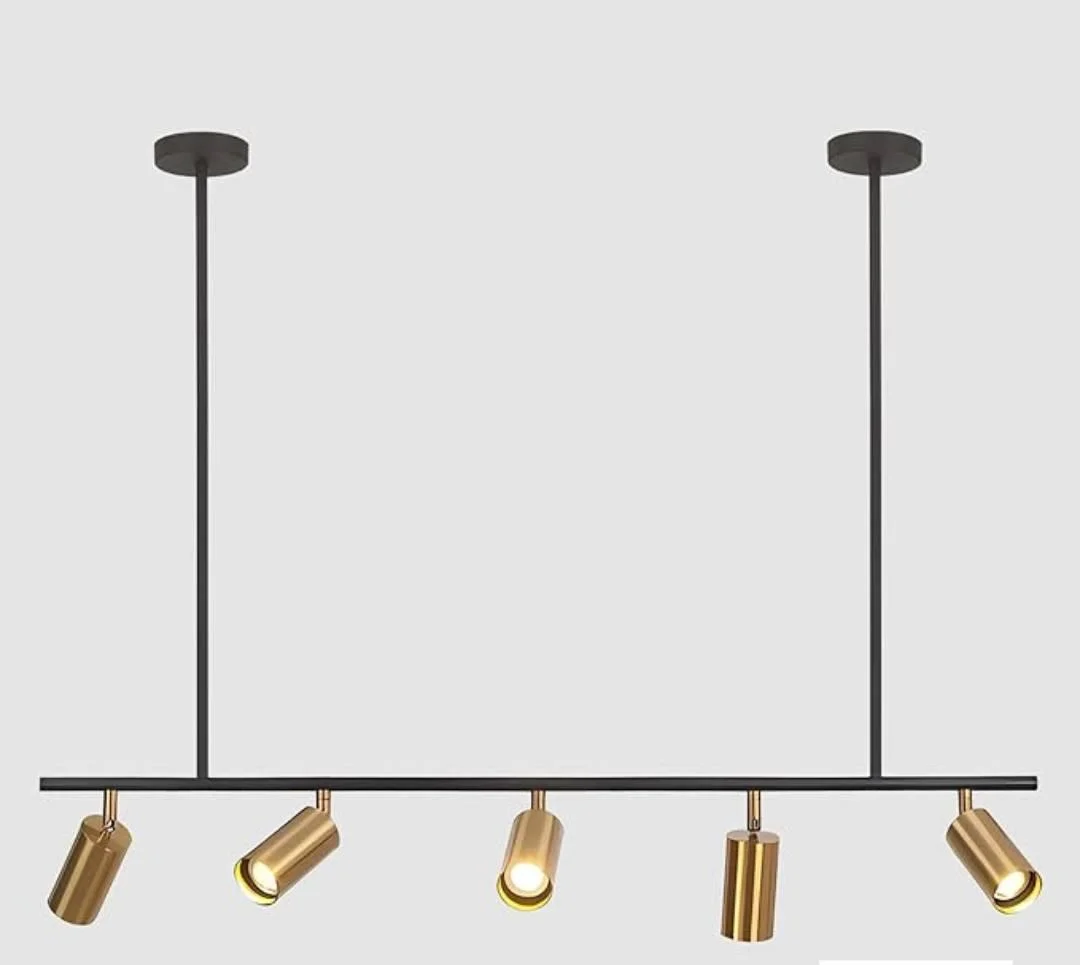
An emergency lighting system is a crucial feature in any building that ensures safety during power outages, fires, or other unexpected events. It provides illumination when regular lighting fails, guiding occupants to exits and helping prevent accidents. Understanding how an emergency lighting system works can save lives and protect property.
Modern homes and commercial spaces in the Philippines benefit from a well-planned emergency lighting system, combining safety, visibility, and compliance with building regulations. This guide covers its importance, types, and practical examples for every building.
Key Takeaways
- An emergency lighting system provides backup illumination during outages.
- It ensures safe evacuation and reduces accidents in emergencies.
- There are several types of emergency lighting systems for different needs.
- A proper emergency lighting plan is essential for homes, offices, and public spaces.
- Combining functionality with design ensures safety without compromising aesthetics.
What Is an Emergency Lighting System?
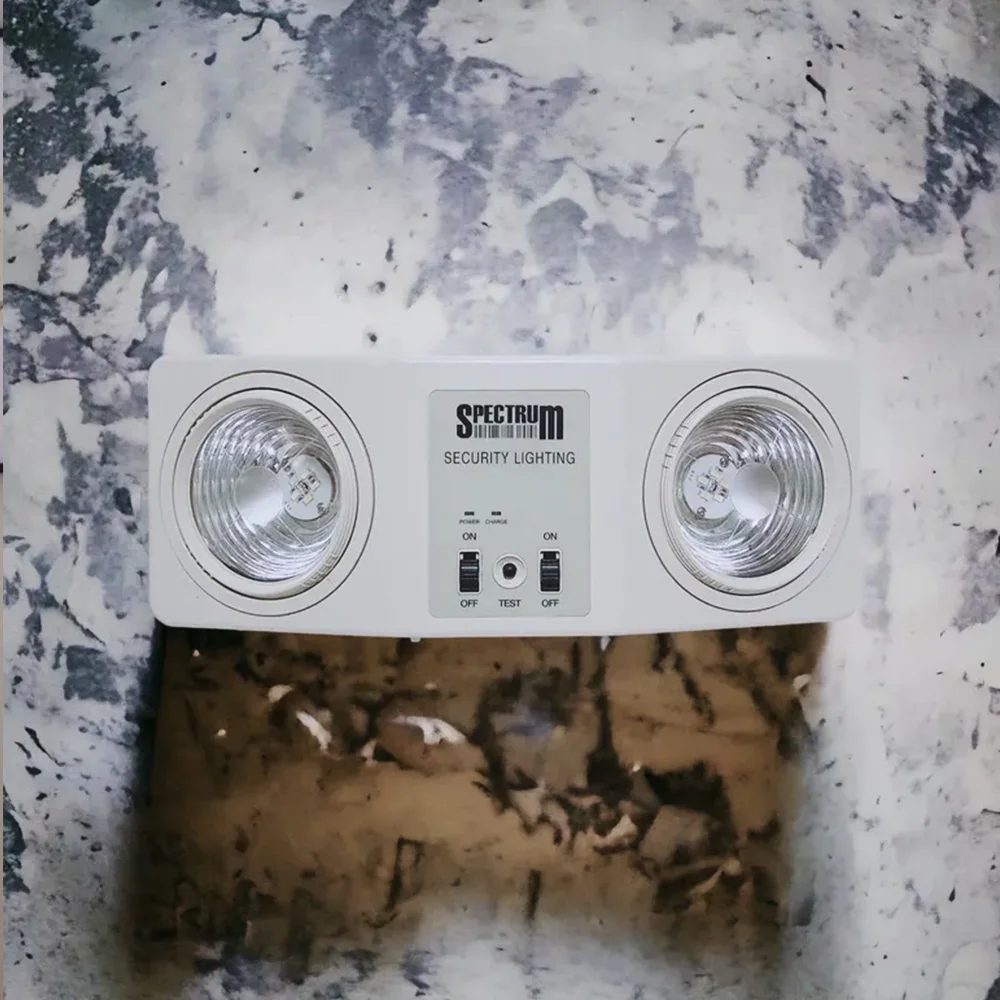
An emergency lighting system is a backup lighting setup that automatically activates when the main power supply fails. It helps occupants navigate safely in dark or hazardous conditions. These systems are designed to last long enough to allow people to evacuate or reach safety until power is restored.
Emergency lighting is not only about visibility, but it also supports security by highlighting exits and important areas. Many modern systems include LED technology for energy efficiency and longer battery life.
Key Functions
- Guides occupants to exits during a power failure
- Provides illumination for emergency responders
- Supports overall emergency and safety planning
- Maintains compliance with safety codes
Types of Emergency Lighting
There are different types of emergency lighting depending on the building and purpose. Common options include:
- Exit signs: Illuminate exit routes clearly
- Emergency bulkhead lights: Provide general illumination in hallways or staircases
- Spotlights or floodlights: Highlight key areas like entrances, fire extinguishers, or high-risk zones
Understanding the types of emergency lighting systems allows building owners to choose a setup that fits their layout and safety requirements. For example, an office may need a combination of exit signs and corridor lights, while a residential building may rely on battery-operated emergency lamps.
Planning Your Emergency Lighting
A proper emergency lighting plan ensures that every area of a building is covered. It should consider building size, occupancy, and specific hazards.
- Map out evacuation routes and emergency exits
- Determine the placement of emergency lights and exit signs
- Test and maintain the system regularly to ensure functionality
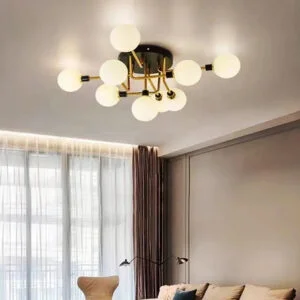
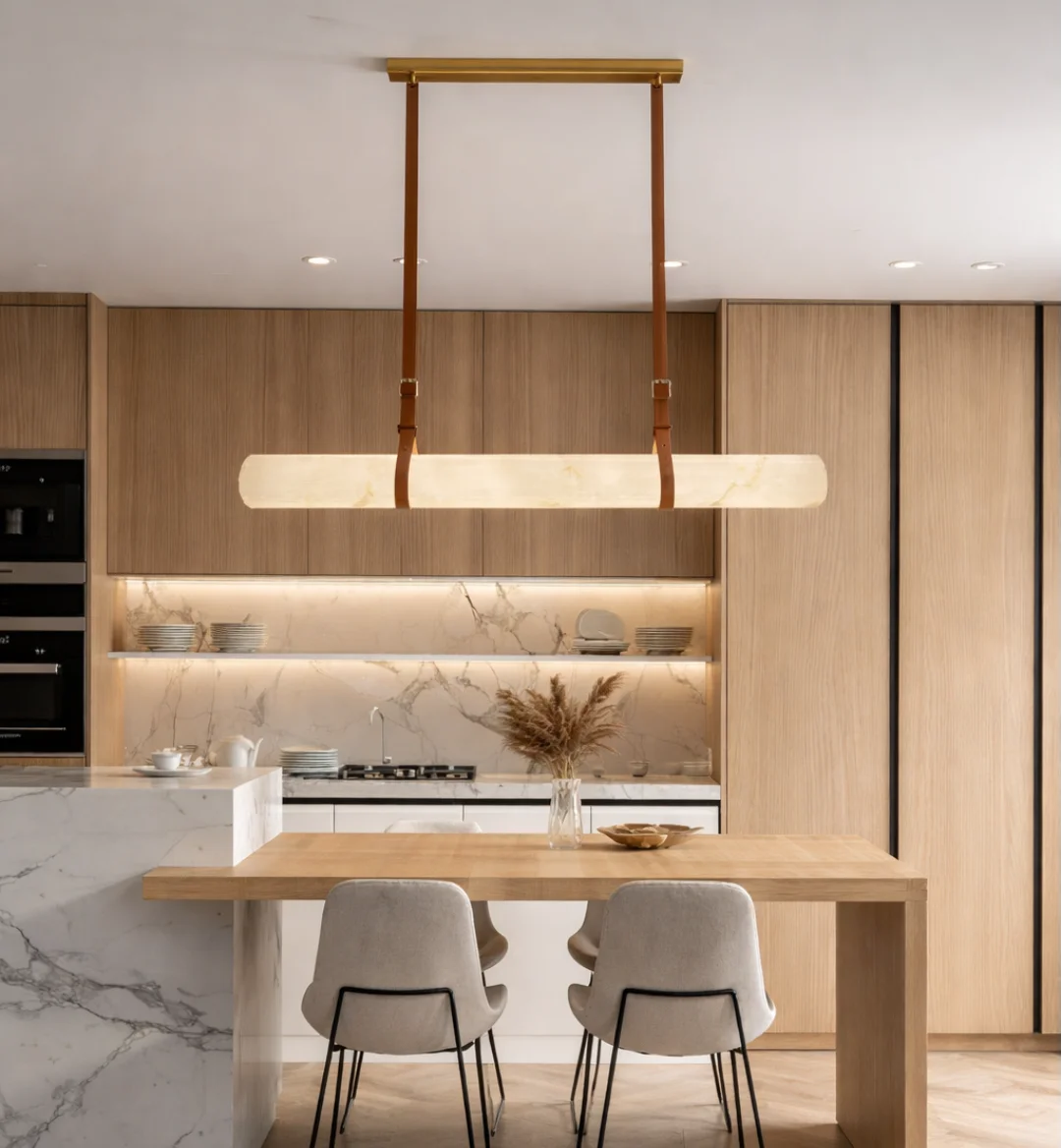
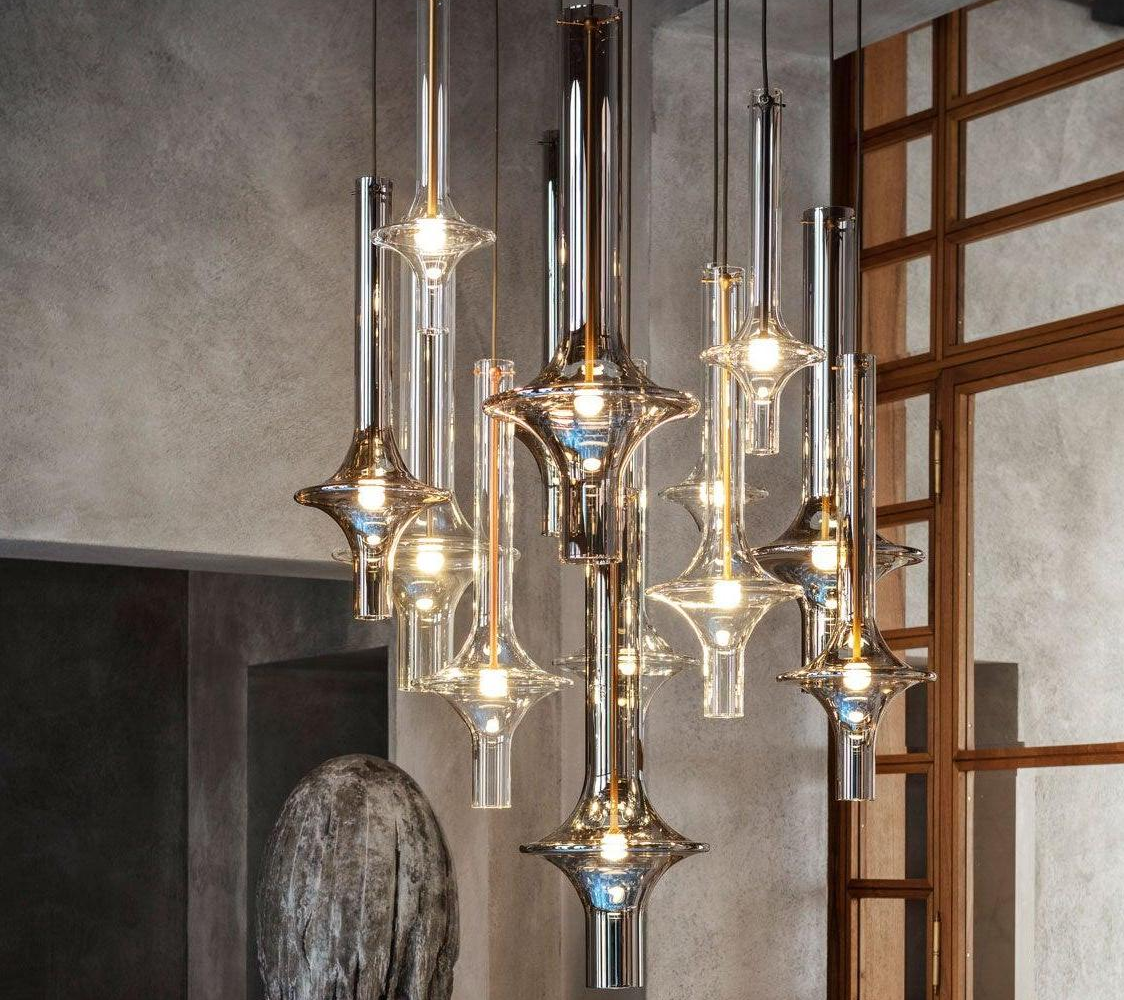
An effective plan not only saves lives but also supports building security and compliance. Even decorative lighting in homes or lobbies can be incorporated without compromising safety.
Installation and Maintenance Tips
Installing an emergency lighting system correctly is key to its effectiveness. It should be integrated with the building’s main lighting circuits and have a reliable backup power source, such as batteries or generators. Placement should cover all exits, stairways, and high-traffic areas to ensure safe evacuation.
Maintenance is equally important. Regularly test emergency lights and replace batteries as needed. Keeping fixtures clean and free from obstructions ensures that the system works optimally when needed. BeStyle Lighting offers modern, reliable fixtures that are easy to maintain and integrate seamlessly with your building’s design.
Conclusion
A reliable emergency lighting system is essential for the safety of any building, from homes to commercial spaces. It guides occupants, supports emergency responders, and reduces accidents during power failures. Every building should have a clear emergency lighting plan and well-maintained fixtures. For premium lighting solutions in the Philippines, visit BeStyle Lighting or call 0977 822 7977, and explore our sale and new arrivals collections to upgrade your home or office with both safety and style.