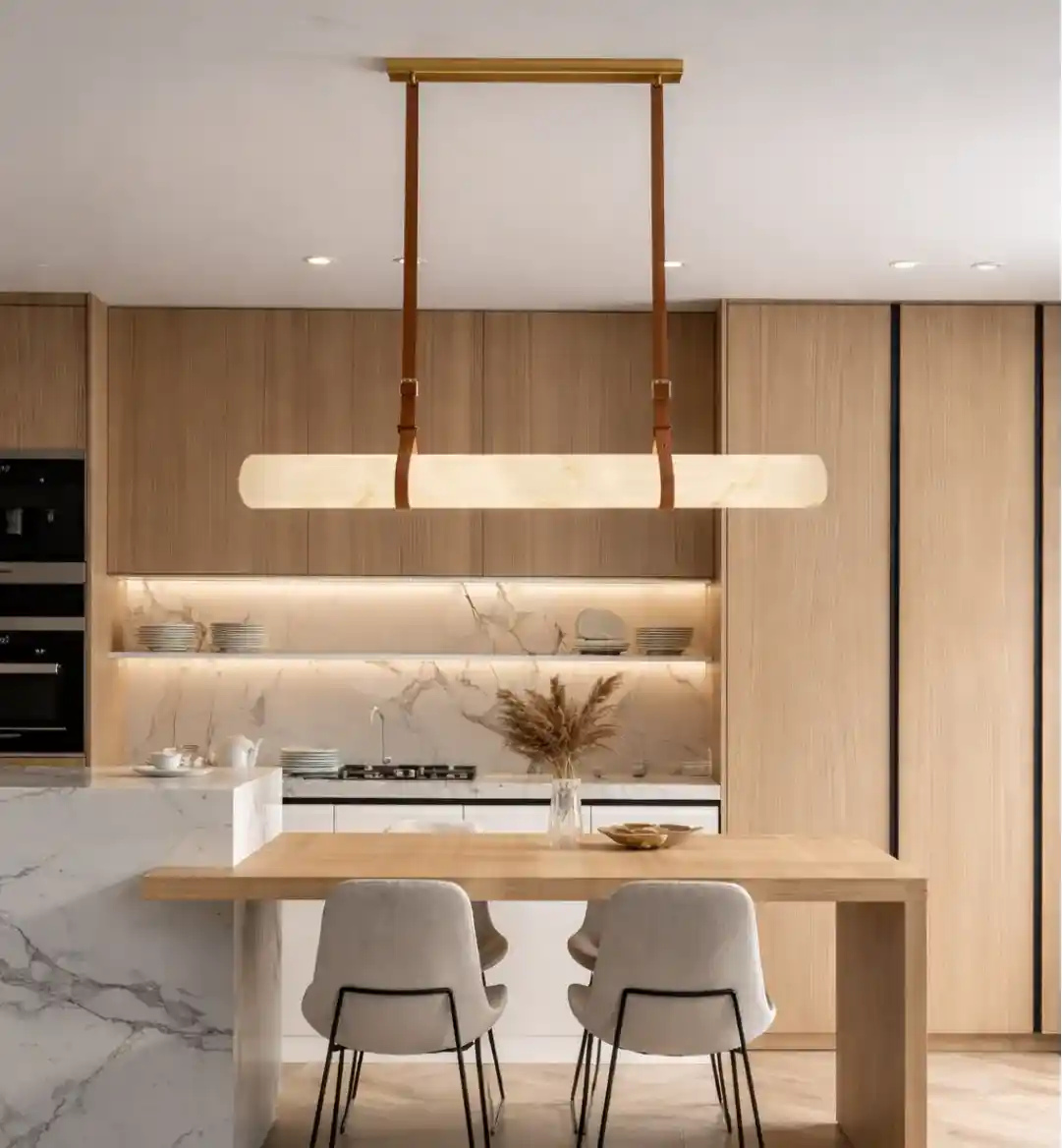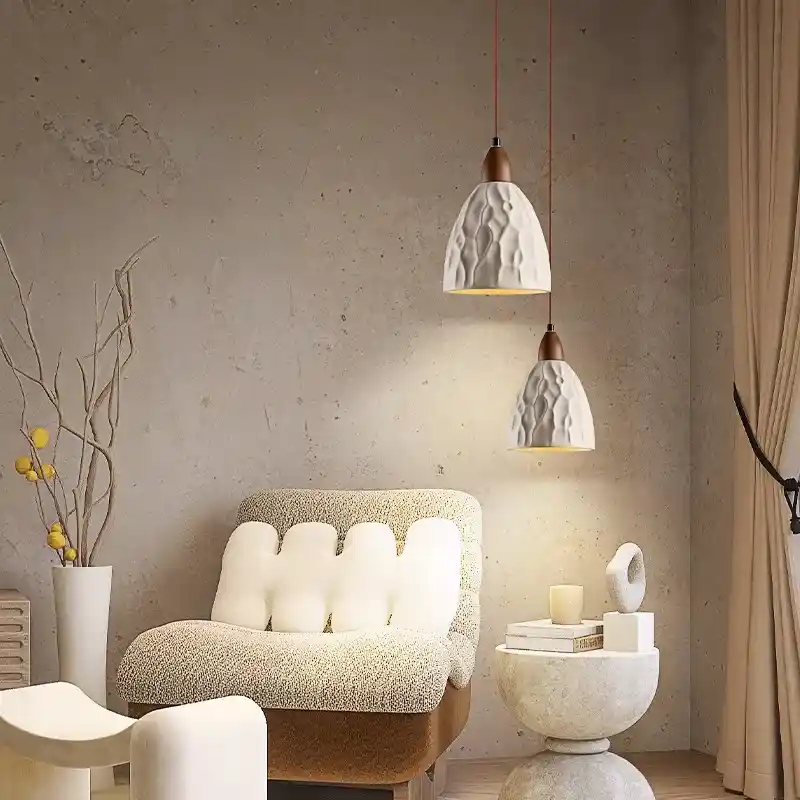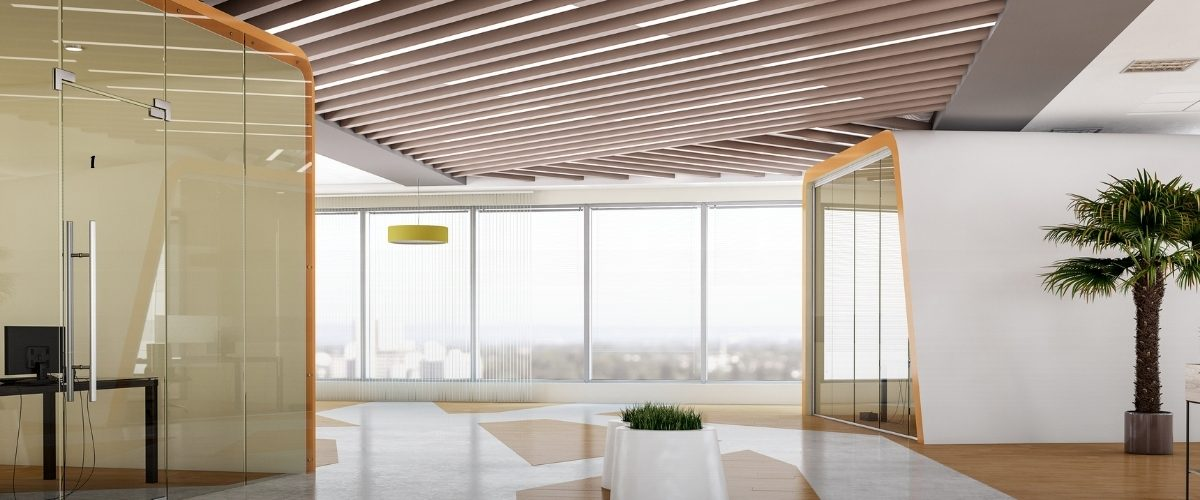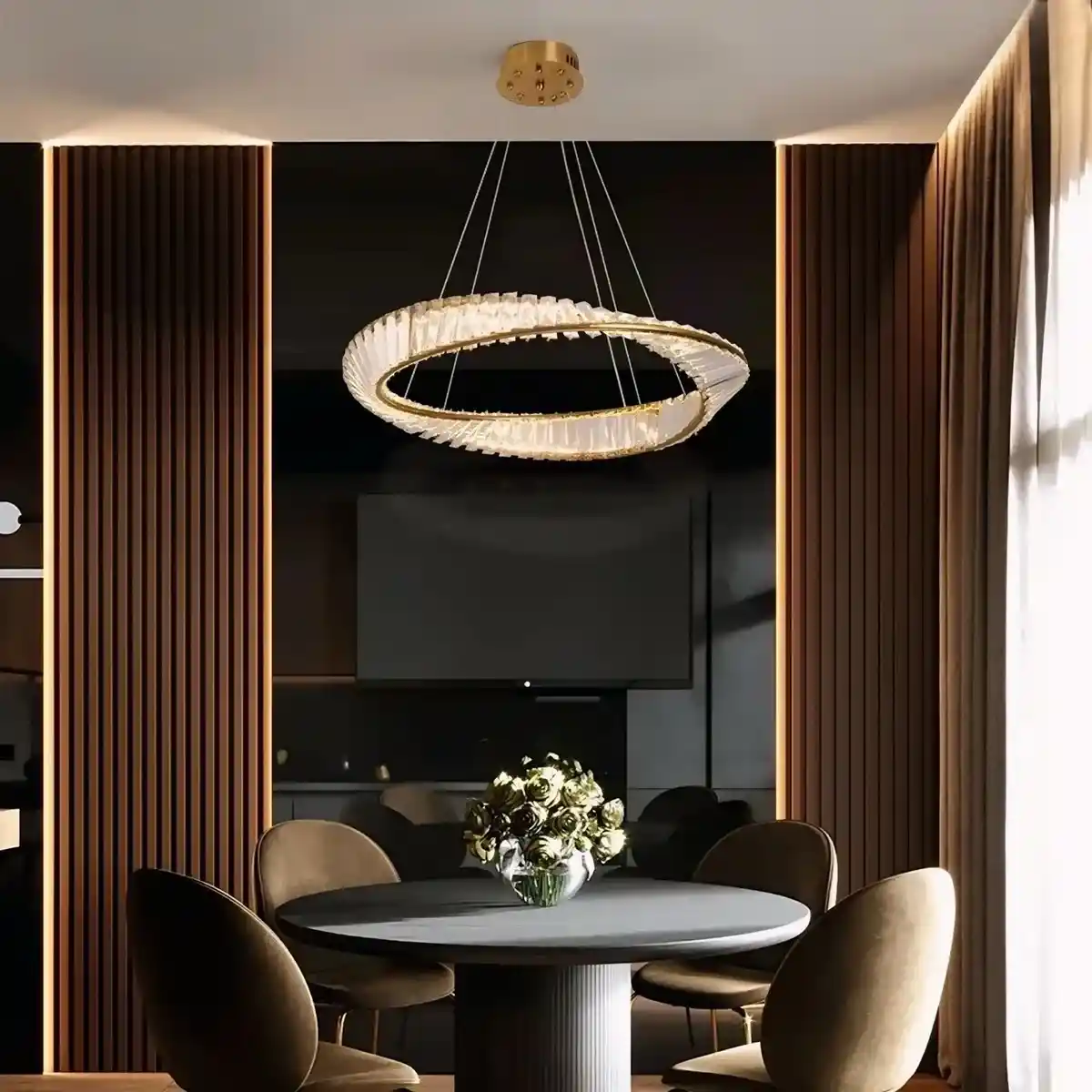
What is the best lighting for interiors? Lighting isn’t just about brightness; it is about creating a balance that feels intentional. Have you ever walked into a room and felt instantly at ease, only to enter another and feel inexplicably stressed? Much of that reaction comes down to a fundamental element that dictates the mood and functionality of your living space. Light does more than just help us see; it shapes the colors of our walls, the texture of our furniture, and the way we interact with our environment.
Key Takeaways
- Layering light sources is the secret to a professional, high-end look in any room.
- Color temperature significantly impacts mood, shifting a room from productive to relaxing.
- Modern technology allows for energy-efficient solutions without sacrificing aesthetic appeal.
- Proper placement eliminates harsh shadows and makes small spaces feel significantly larger.
Creating Harmony Between Light and Living
The relationship between lighting and interiors is deeply psychological, as it sets the tone for your daily habits and emotional well-being. A room bathed in warm, soft light naturally encourages the brain to slow down and decompress after a long day. Conversely, cooler, brighter light keeps you sharp and alert, making it the perfect choice for home offices or laundry areas. By mastering these nuances, you become the designer of your own experience, using fixtures to craft an environment that actively supports your goals for every hour of the day.
Techniques for Better Room Illumination
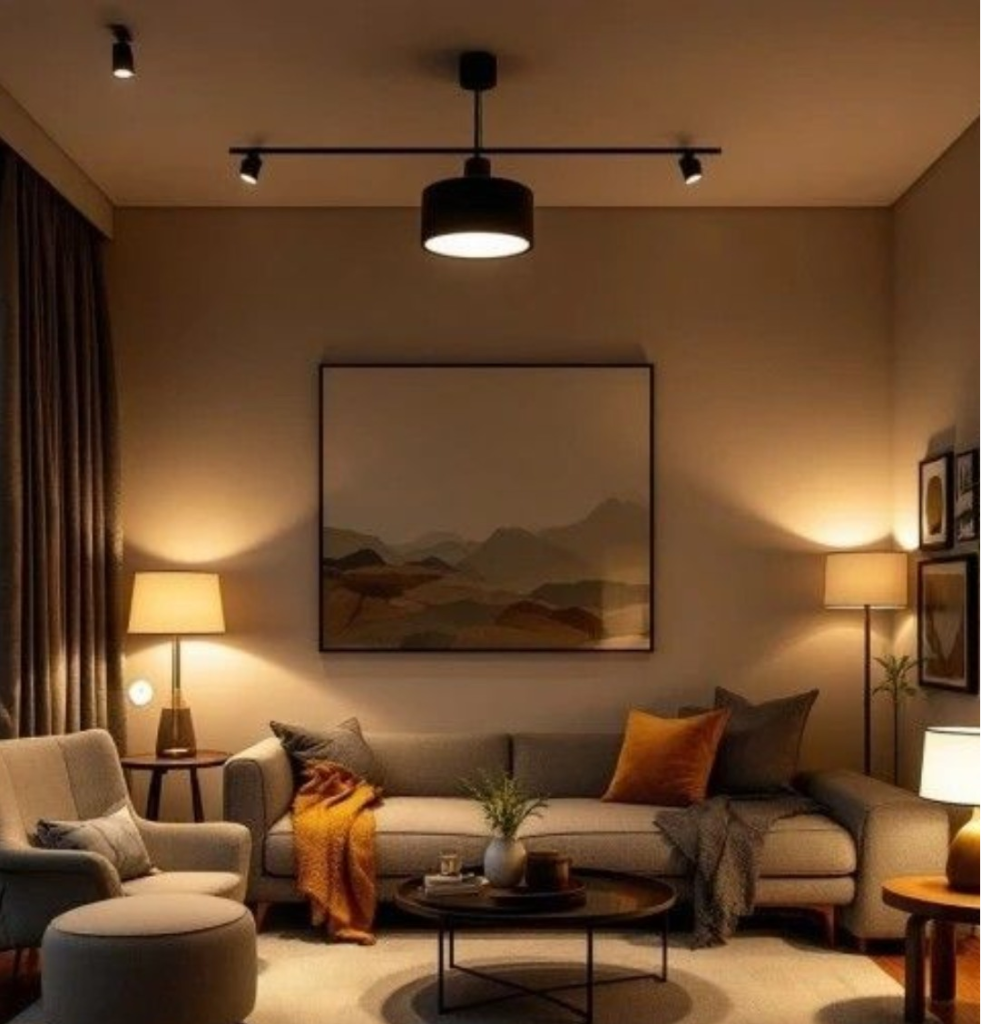
Achieving the perfect balance in your home involves a variety of lighting types working in harmony. Here are a few ways to structure your layout:
Achieving the perfect balance in your home involves layering different lighting types:
- Ambient Lighting: Acts as the general base layer, filling the room with an even glow for safety and comfort.
- Task Lighting: Provides focused light for specific activities such as reading, cooking, or working.
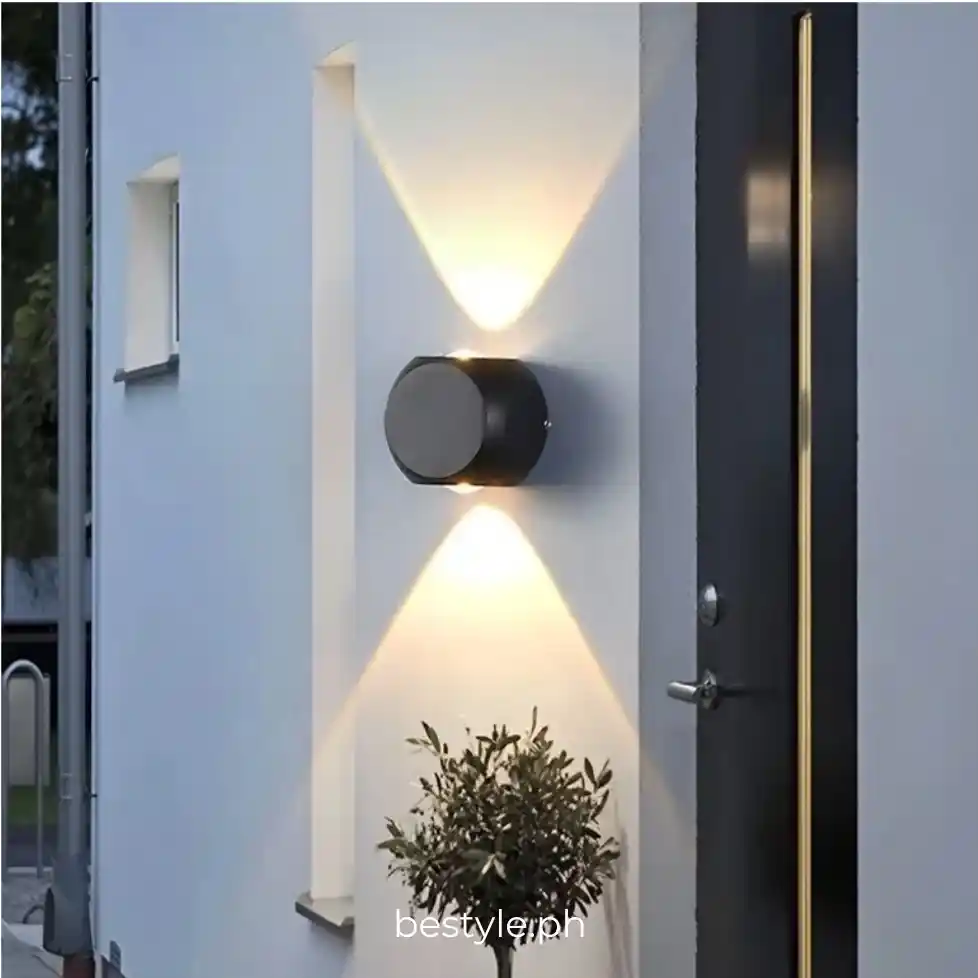
- Accent Lighting: Serves as a decorative layer, drawing the eye toward focal points such as art, bookcases, or plants.
- Dimmers: Offer total control, allowing you to instantly transition a room from a high-energy workspace to a relaxed lounge.
Enhancing Efficiency with Modern Solutions
Upgrading to modern technology improves both your aesthetic and your quality of life. Using the right bulbs can change how you feel about your space.
- LED lighting for home interiors offers longevity, meaning you spend less time changing bulbs in high ceilings.
- Energy efficiency: modern LEDs consume a fraction of the electricity used by traditional incandescent bulbs.
- Color rendering index (CRI) is higher in quality LEDs, ensuring that the colors of your furniture and paint look vibrant and true to life.
- Many smart bulbs let you adjust the color temperature from warm gold to cool daylight with a simple app.
Final Thoughts
Finding the perfect balance for your home doesn’t have to be a complicated task when you have the right resources at your fingertips. You can browse our current items on sale for great deals or check out the latest new arrivals to see the trendiest designs in the market.
Need professional guidance on selecting the perfect pieces for your floor plan? Contact us at (+63) 977 822 7977. Brighten your world with style and ease with BeStyle Lighting Solution now.
Frequently Asked Questions
What is the best lighting for interiors with low ceilings?
If your ceilings are low, stick to fixtures that sit flat against the surface. These are called flush-mounts. You can also use floor lamps that point the light upward. This makes the ceiling look higher, and the room feel more open.
Is cool white or warm white better for living rooms?
Warm white is best for living rooms. It feels cozy and helps people relax and talk. Cool white is often too bright and “blue,” which can make a living room feel like a cold office or a hospital.
How can I improve the lighting in a dark room with no windows?
Use a mix of many lights instead of just one. Combine overhead lights with several small lamps in the corners to eliminate shadows. You can also hang mirrors to reflect the light and make the room feel much brighter.
What are the biggest mistakes in lighting design for interiors?
One of the most common mistakes is relying on a single, bright overhead light source, which creates harsh shadows and an uninviting flat look. Another error is choosing fixtures that are the wrong scale for the room, such as a tiny pendant lamp over a massive dining table.
Can lighting help a small apartment look bigger?
Yes! If you light up the corners and use wall lights, the room will feel wider. Spreading light across the walls makes the boundaries of your apartment seem to disappear, giving you more “visual” space.