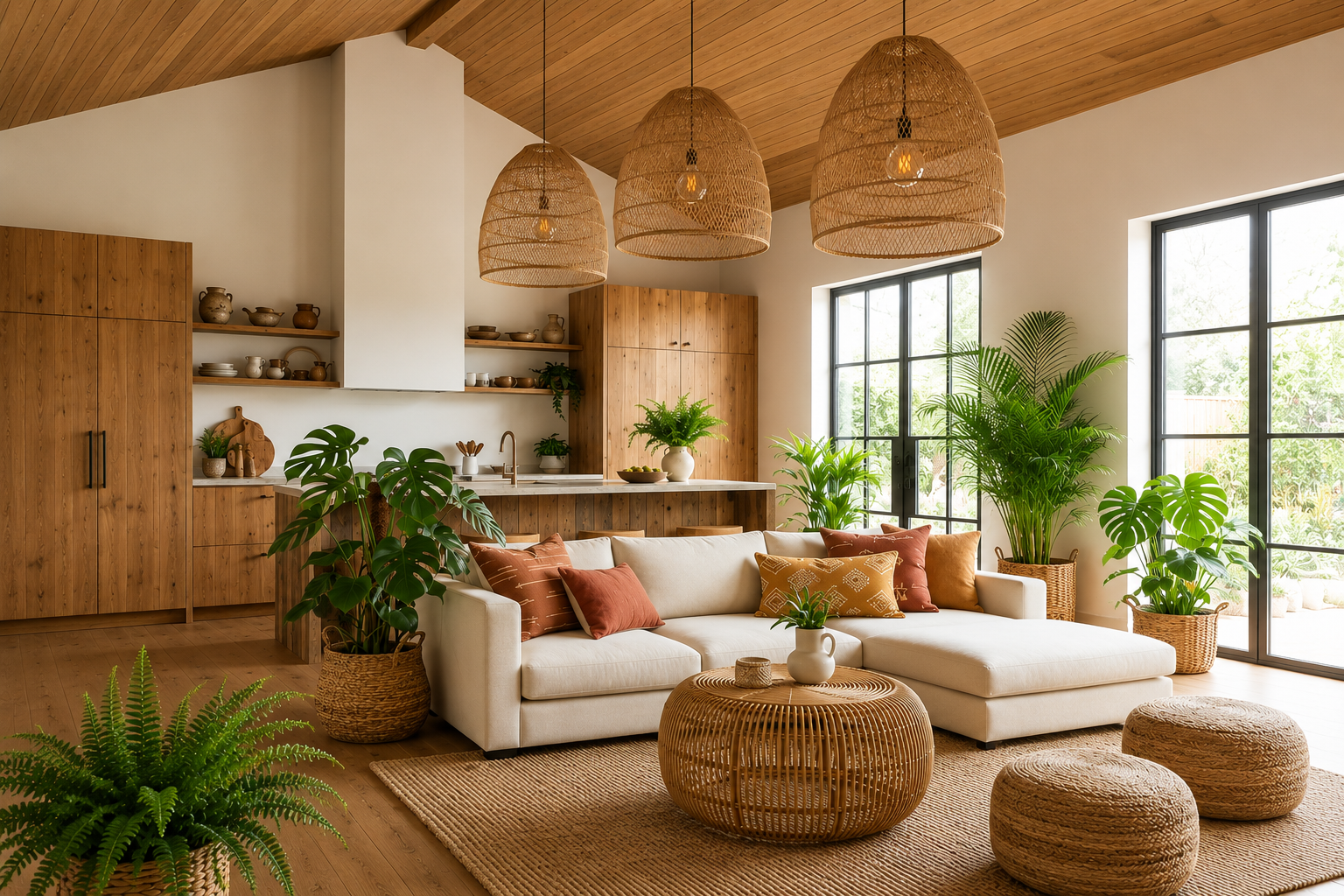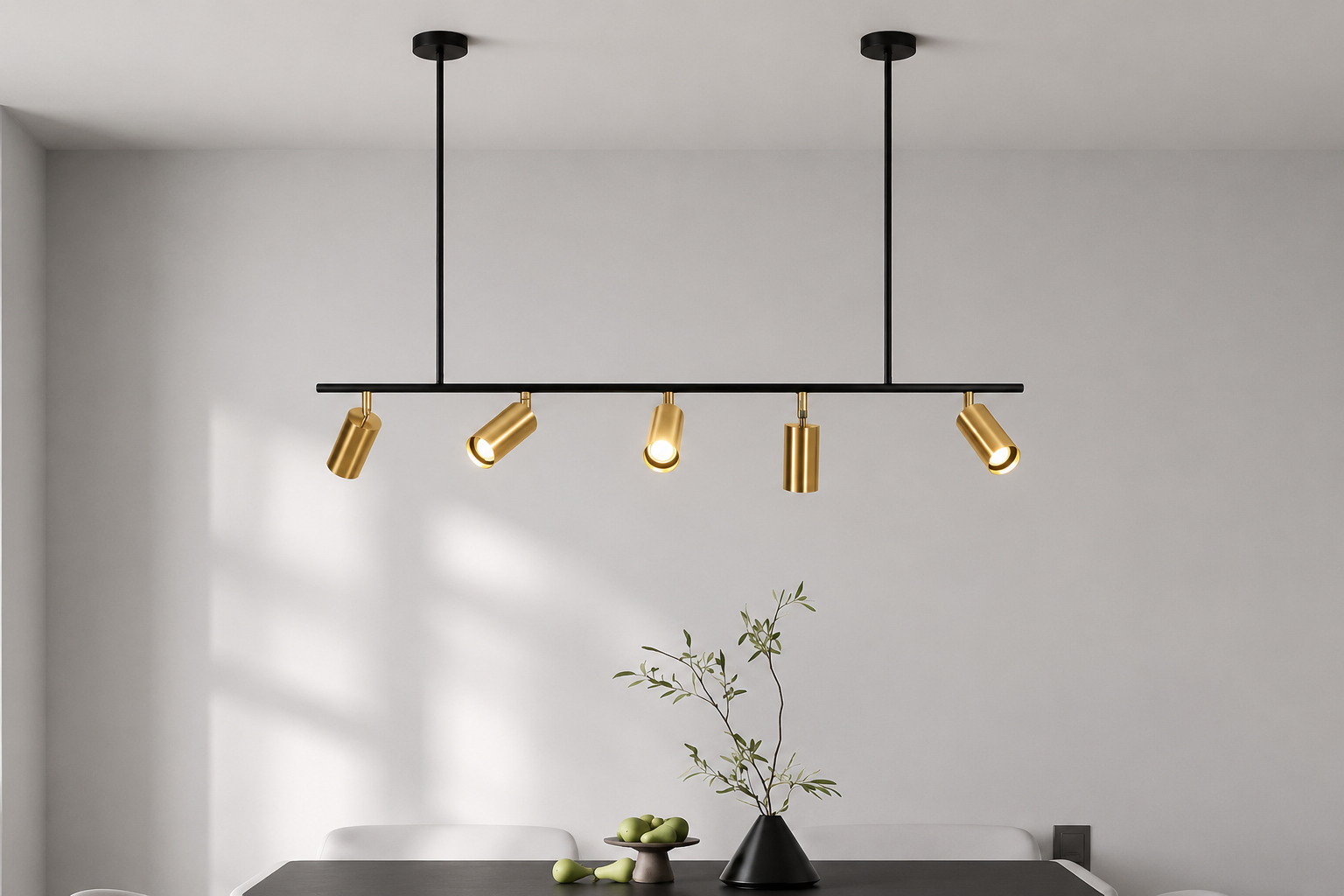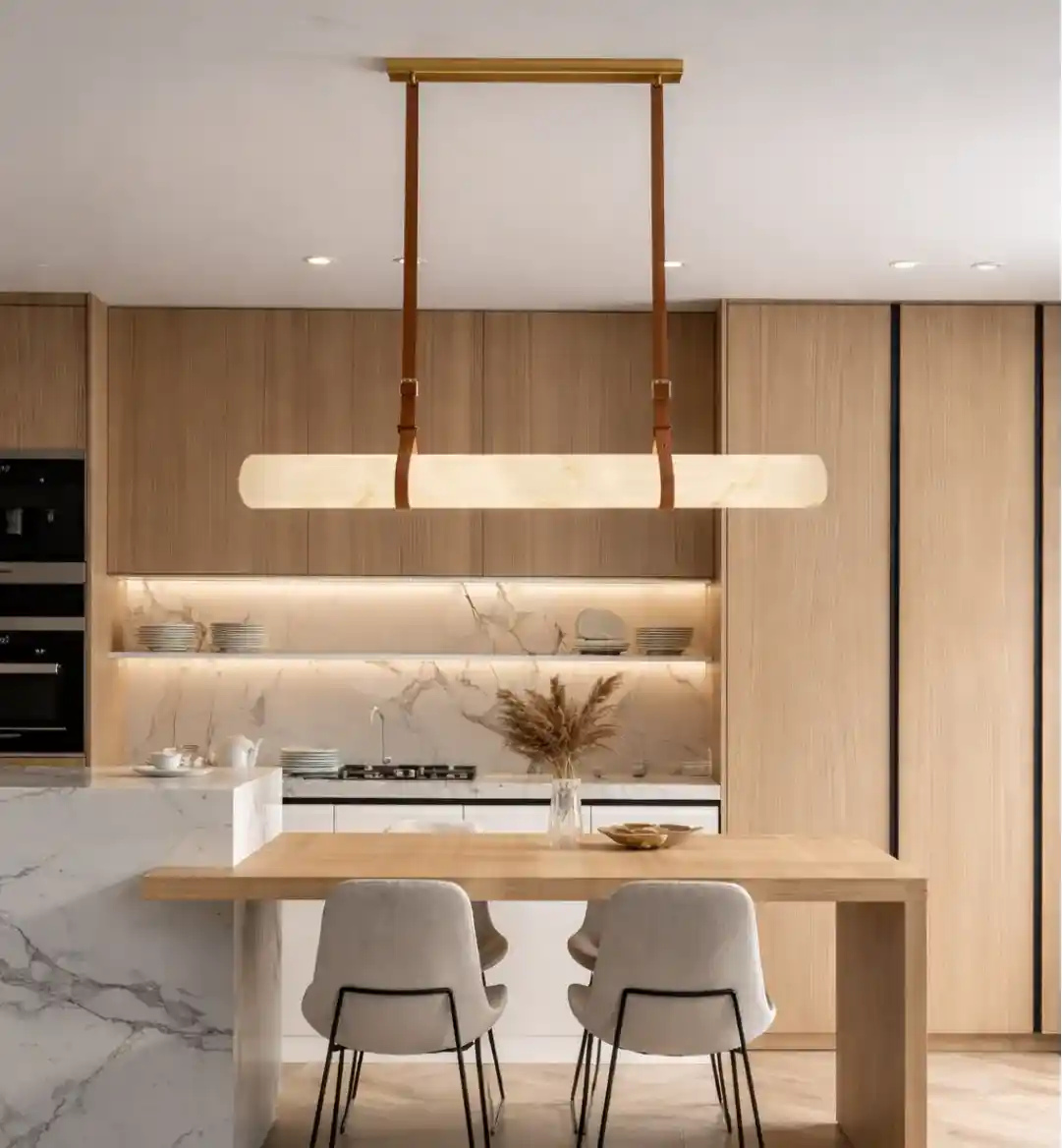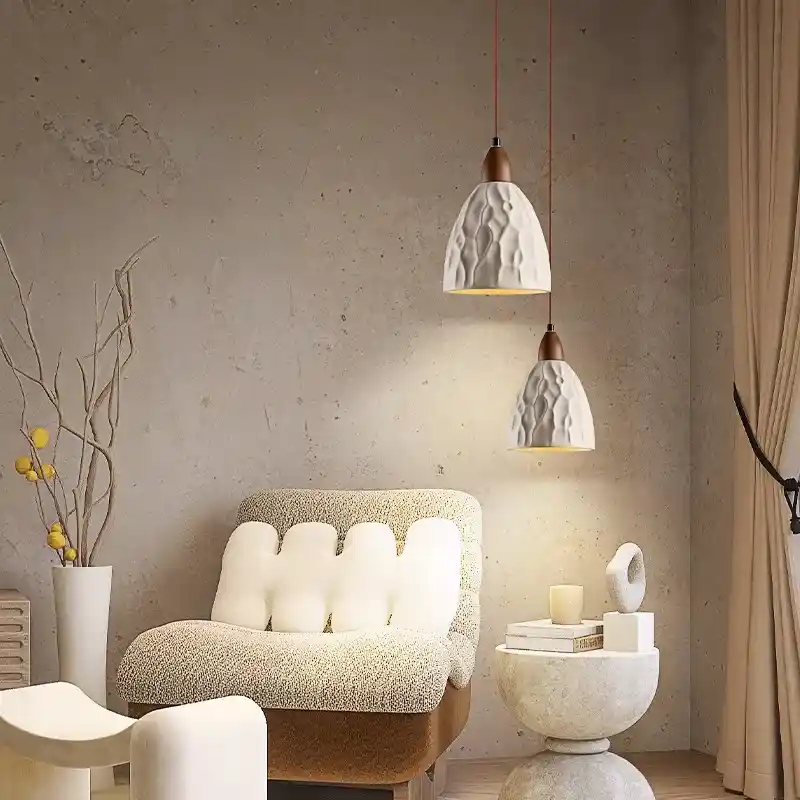
How many watts of light do you need for a room? As a general guide, each square meter of space needs about 1 to 1.5 watts of light. The right wattage ensures your space is bright enough without wasting energy. Choosing the correct lighting is not just about brightness. It also affects how comfortable your space feels, how productive you are, and how well your interior design stands out. Proper lighting can make a small room feel larger and more inviting. Lighting affects how your home looks and feels every day. The right setup improves comfort, visibility, and overall design.
The blog will mainly cover how to determine the right lighting wattage for different room sizes and why it matters for both function and comfort.
Key Takeaways
- Wattage affects energy use, not just brightness
- Room size and purpose determine the right wattage
- LED lights provide better brightness with lower watts
- Layered lighting improves flexibility and comfort
- Quality fixtures ensure long-term performance
Understanding Watts and Brightness
Watts measure how much energy a light bulb uses. In the past, higher watts meant brighter light. This made it easier for people to estimate brightness using wattage alone. However, this method is no longer accurate with modern lighting. Understanding this difference helps you avoid common lighting mistakes.
Today, this is no longer always true. Modern LED lights produce more brightness while using fewer watts. This allows homeowners to save energy without sacrificing illumination. It also makes lighting more cost-efficient over time. LED technology has changed how we choose lighting for everyday use.
This is why it is important to consider both wattage and lumens when choosing lighting. Lumens tell you how bright the light actually is, while watts show energy consumption. Using both measurements helps you select the right lighting for each room. It also ensures better comfort and functionality in your home. This approach leads to a more balanced and efficient lighting setup.
How Many Watts Do You Need Per Room
The amount of wattage you need depends on the size of your room and how it is used. Larger rooms need more light, while smaller spaces require less.
Here is a simple guide:
- Bedroom: 40 to 100 watts total
- Living room: 100 to 200 watts total
- Kitchen: 150 to 300 watts total
- Bathroom: 80 to 150 watts total
These values can vary depending on ceiling height and layout. Rooms with higher ceilings often need stronger lighting or multiple light sources to properly distribute brightness. Open-plan spaces may also require layered lighting instead of relying on a single fixture.
It is also important to consider the purpose of each room. Task-heavy areas like kitchens and bathrooms need brighter, more focused lighting, while bedrooms benefit from softer, more relaxing light levels. Natural light should also be taken into account, as rooms with large windows may need less artificial lighting during the day. Using a combination of ceiling lights, lamps, and accent lighting can help achieve a balanced and comfortable result.
Lighting Tips for Manila and Quezon City Homes
Homes in these areas often have limited space or unique layouts. This makes proper lighting even more important.
Simple adjustments can make a big difference:
- Use LED lights to save energy
LED lighting is ideal for urban homes because it provides bright, efficient light while consuming less electricity. It also lasts longer, which reduces maintenance and replacement costs over time. - Choose fixtures that distribute light evenly
Instead of relying on a single bright bulb, opt for fixtures that spread light across the room. This helps reduce shadows and creates a more balanced and comfortable atmosphere, especially in smaller spaces. - Match the lighting to the room function
Each room has a different purpose. Warm, soft lighting works well for bedrooms, while brighter, clearer lighting is better for kitchens and work areas. Matching light to function improves both comfort and usability. - Consider ceiling height when selecting fixtures
Many homes in Manila and Quezon City have standard or lower ceiling heights. Flush-mount or compact fixtures work best in these spaces to avoid making the room feel crowded while still providing enough brightness.
You can also get inspiration from these 5 simple lighting tricks to make a small room look bigger.
Common Mistakes to Avoid
Many homeowners choose lighting based only on wattage. This can lead to poor results.
Avoid these mistakes:
- Using too many high-watt bulbs
- Ignoring room size
- Not using layered lighting
- Choosing low-quality fixtures
A better approach is to balance wattage, brightness, and placement.
Conclusion
Understanding how many watts of light is needed for a room helps you create a space that is both functional and comfortable. It allows you to avoid lighting that is too dim or too bright. By combining the right wattage with proper placement and quality fixtures, you can achieve better results in any room.
Visit BeStyle Lighting Solution’s showroom in Quezon City or contact us at (+63) 977 822 7977 or bestylelighting@gmail.com. We offer affordable and reliable lighting fixtures suited to your needs. Browse our new arrivals and on-sale items today.
Frequently Asked Questions
How many watts is recommended for the living room?
Wattage depends on room size, but for LED lighting, most living rooms use a total of 20 to 40 watts spread across multiple fixtures. Instead of relying on one bright source, use layered lighting to achieve even and comfortable illumination.
How many watts for living room lighting is enough?
For LED setups, a combined wattage of 20 to 40 watts is typically sufficient for standard living rooms. Distributing this across ceiling lights, wall lights, or accent fixtures improves coverage and flexibility. This creates a balanced and functional space.
How many watts of LED light for a room should I use?
LED lights require less wattage because they produce higher brightness per watt. As a guide, 10 to 20 watts of LED lighting can effectively illuminate small to medium rooms. Always consider room size and lighting purpose when choosing
How many watts for a room light is ideal?
The ideal wattage depends on the room’s size, ceiling height, and function. Rather than focusing on a single fixture, use multiple light sources to distribute brightness evenly. This improves visibility and overall comfort.
How many watts of LED light is best for a living room?
A living room typically works best with 20 to 40 watts of total LED lighting, depending on layout and brightness preference. Using several fixtures ensures even light distribution and avoids harsh shadows. This setup supports both relaxation and daily activities.