In many homes across Manila and Quezon City, exterior lighting design is often limited or poorly placed. This leads to dark areas, uneven brightness, and reduced functionality. The goal of effective lighting is not to add more fixtures. It is to use the right type of lighting in the right location.
Exterior lighting improves safety by clearly defining pathways, entrances, and outdoor steps, especially at night. It also enhances security by reducing shadowed areas around the home where visibility is low. Beyond function, well-planned lighting highlights architectural features and landscaping, helping the home look more inviting and visually balanced after dark.
Key Takeaways
- Exterior lighting improves safety, access, and visibility
- Focus on essential areas before decorative lighting
- LED exterior lighting reduces energy consumption
- Proper placement prevents glare and uneven lighting
- Durable fixtures improve long-term performance
Step 1: Define Where Lighting Is Needed
Start by identifying areas that require lighting. This ensures your setup is functional before focusing on design.
Key areas include:
- Entry points such as doors and gates
- Walkways and stairs
- Driveways and parking areas
- Outdoor seating spaces
Lighting these areas improves movement and reduces safety risks.
Step 2: Select the Right Type of Lighting
Each outdoor area serves a different purpose. Your lighting should match that purpose.
- Pathways need consistent, low-level lighting
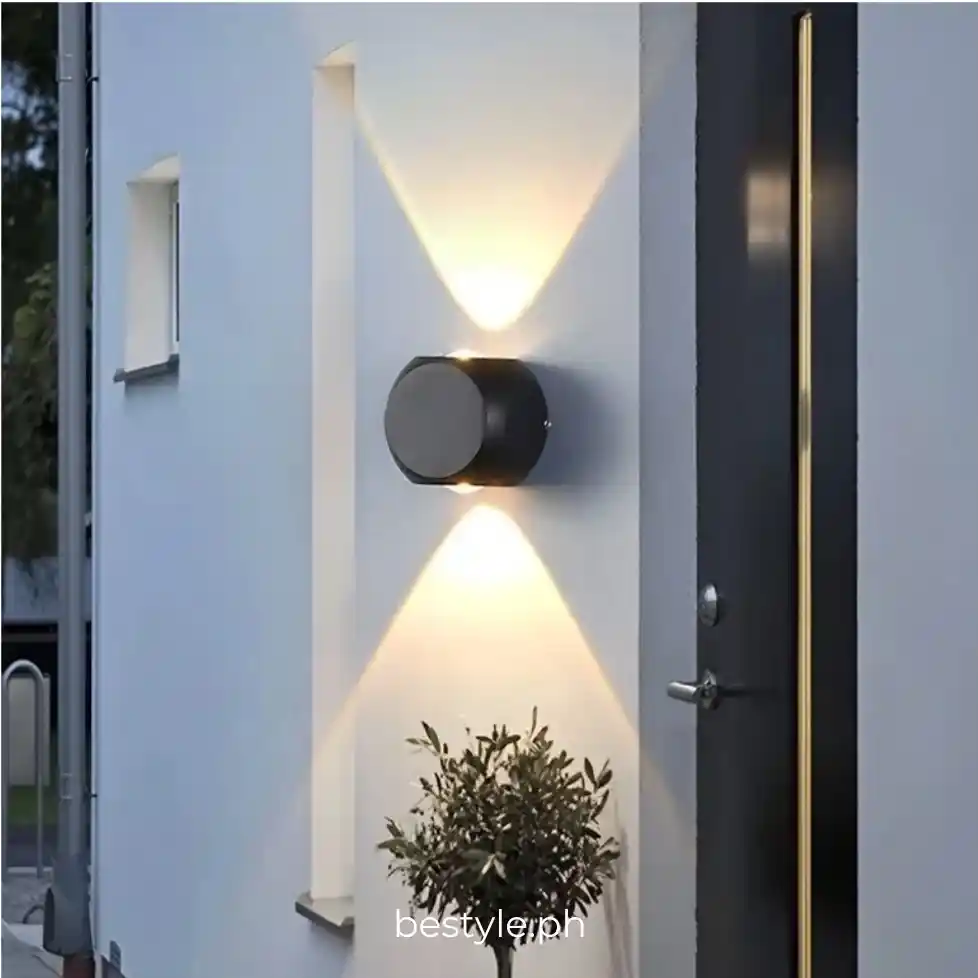
- Entrances require brighter, focused lighting
- Open spaces benefit from general lighting
This approach ensures even coverage without over-lighting certain areas.
Step 3: Choose Exterior Lighting Fixtures
Outdoor lighting must withstand weather and continuous use.
Look for fixtures that offer:
- Weather resistance
- Sealed electrical components
- Stable mounting
- Consistent brightness
High-quality fixtures reduce maintenance and extend lifespan.
Step 4: Use LED Exterior Lighting
LED lighting is the most efficient option for outdoor use. It provides high brightness while consuming less energy.
LED lights also last longer compared to traditional bulbs. This makes them suitable for areas that require regular use.
Step 5: Apply Proper Placement
Placement determines how effective your lighting will be. Even high-quality fixtures can fail if positioned incorrectly.
Follow these placement guidelines:
- Space lights evenly to avoid dark areas
- Position lights to reduce glare
- Install fixtures at appropriate heights
- Avoid direct exposure to eye level
Correct placement improves both comfort and visibility.
Step 6: Use a Layered Lighting Approach
A layered system improves both function and appearance. It combines different lighting types for better results.
Use this structure:
- General lighting for visibility
- Task lighting for safety
- Accent lighting for design
This method ensures balanced lighting across your outdoor space.
Step 7: Avoid Common Mistakes
Many outdoor lighting setups fail due to simple errors. Avoiding these improves performance.
Common mistakes include:
- Uneven spacing of fixtures
- Excessive brightness
- Ignoring key areas
- Using low-quality products
Correcting these issues results in better lighting outcomes.
Step 8: Consider Long-Term Performance
Outdoor lighting is exposed to weather and daily use. Choosing reliable products ensures consistent performance over time.
Our products are designed to be durable, functional, and easy to maintain. They provide stable lighting performance even in outdoor conditions.
Step 9: Optimize for Energy Efficiency
Energy efficiency is an important factor in outdoor lighting. Efficient lighting reduces electricity consumption without sacrificing brightness.
LED lighting is the best option for maintaining performance while minimizing costs. It allows homeowners to keep lights on for longer periods without high energy use.
Step 10: Review and Adjust Your Setup
After installation, review your lighting setup. Identify areas that are too bright or too dim.
Adjust placement or add fixtures where needed. This ensures your lighting design remains effective and balanced.
Common Mistakes to Avoid in Exterior Lighting Design
Even with a solid plan, a few common mistakes can weaken your outdoor lighting design and affect both safety and appearance. Over-lighting is one of the most frequent issues, where too many bright fixtures create glare instead of a balanced glow. Poor placement can also lead to uneven lighting, leaving dark spots in key areas like pathways and entryways. Choosing the wrong color temperature may make outdoor spaces feel either too harsh or too dim, affecting comfort and visibility. On top of that, using fixtures not rated for outdoor conditions can shorten their lifespan and lead to early damage.
- Over-lighting that creates glare instead of balanced illumination
- Poor fixture placement is causing shadows and uneven brightness
- Incorrect color temperature affects mood and visibility
- Using non-weatherproof fixtures that reduce durability and safety
Conclusion
A proper exterior lighting design improves safety, usability, and visibility. It ensures your outdoor space functions efficiently at night. By identifying key areas, selecting the right fixtures, and applying correct placement, you can create a lighting system that works consistently. Explore our new arrivals or browse our on-sale products. Visit BeStyle Lighting Solution in Quezon City or contact (+63) 977 822 7977 or bestylelighting@gmail.com for assistance in selecting the right lighting solution.
Frequently Asked Questions
How can exterior lighting improve home security?
Exterior lighting improves security by reducing dark areas around entry points, pathways, and outdoor spaces. Proper illumination increases visibility and helps deter unwanted activity. A well-lit exterior also makes it easier to monitor your surroundings at night.
What are the best exterior lighting fixtures?
The best exterior lighting fixtures are weather-resistant and designed for long-term outdoor use. Wall lights, pathway lights, and floodlights are common choices for reliable coverage. Selecting durable materials ensures consistent performance in the Philippine climate.
Is LED exterior lighting better?
LED exterior lighting is a better choice due to its energy efficiency and long lifespan. It provides strong, consistent brightness while using less power than traditional lighting. This makes it a practical and low-maintenance option for outdoor areas.
How do you choose the right exterior lighting for your home?
Choose exterior lighting based on your layout, key areas that need visibility, and the overall design of your space. Combine general lighting for coverage with accent lighting to highlight features. A balanced setup improves both function and appearance.
Can exterior lighting increase property value?
Yes, exterior lighting enhances curb appeal and improves how a property is presented. It highlights architectural features while making outdoor spaces more usable and secure. This can make the property more attractive to potential buyers or visitors.