1. What Is Japandi Lighting?
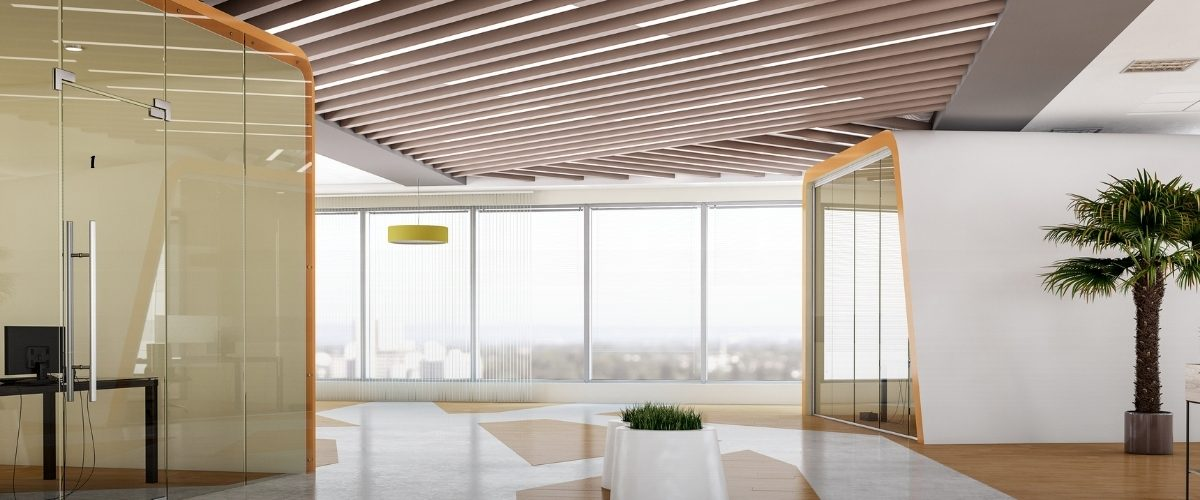
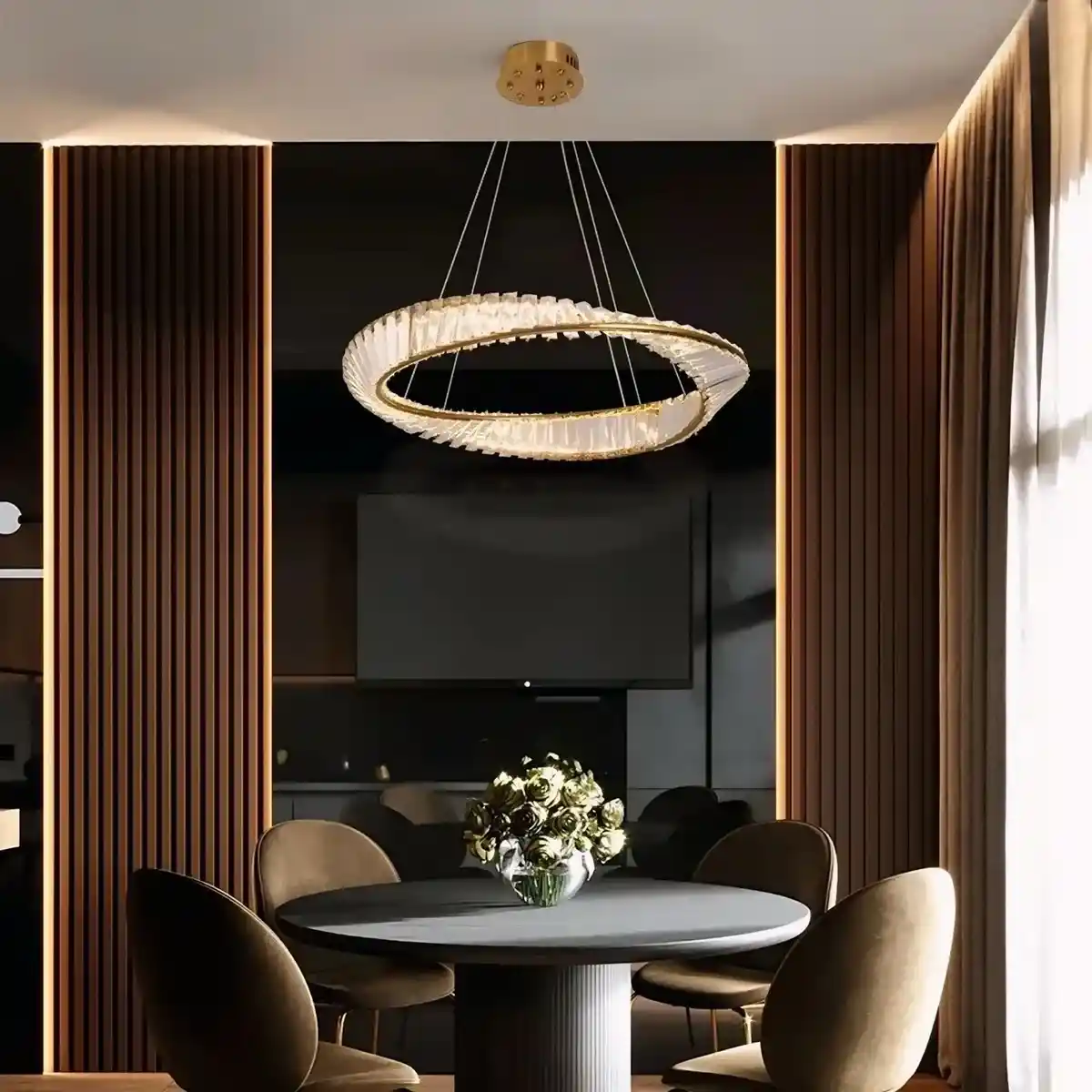
Explain that Japandi combines Japanese simplicity with Scandinavian warmth. Lighting focuses on clean forms, natural materials, soft illumination, and a calm atmosphere.
2. Key Characteristics of Japandi Lighting
- Warm, soft lighting
- Natural materials like wood, rattan, bamboo, and paper
- Simple and clean silhouettes
- Neutral colors
- Minimal decorative details
- Functional lighting rather than overly ornate fixtures
3. Best Lighting Fixtures for a Japandi Interior
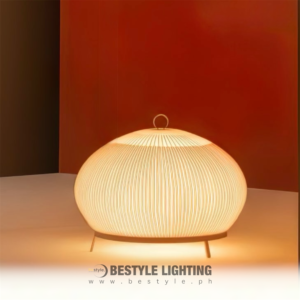
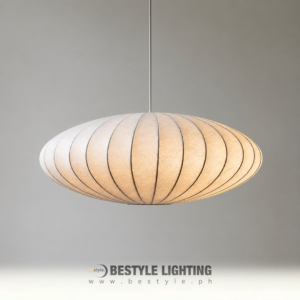
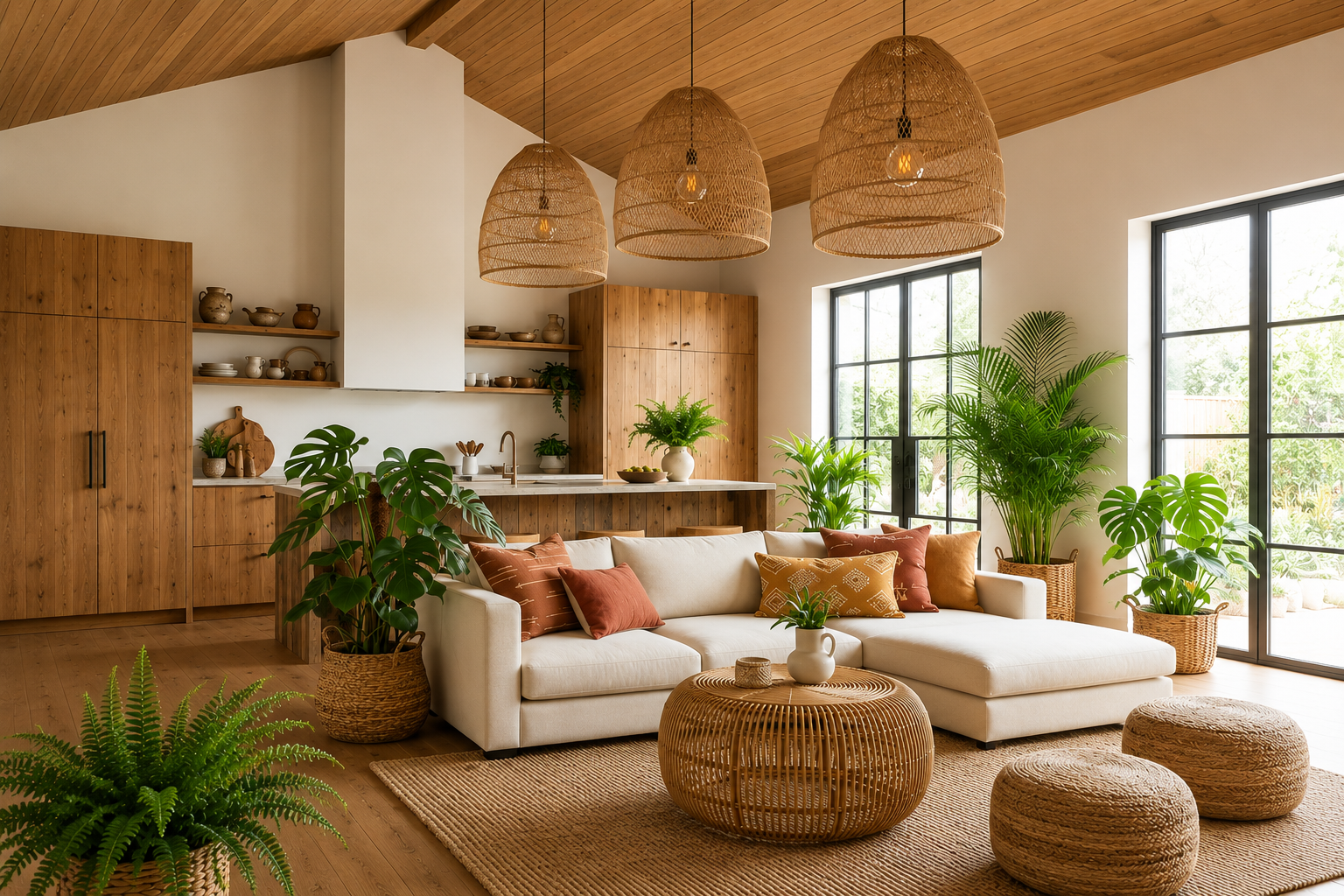
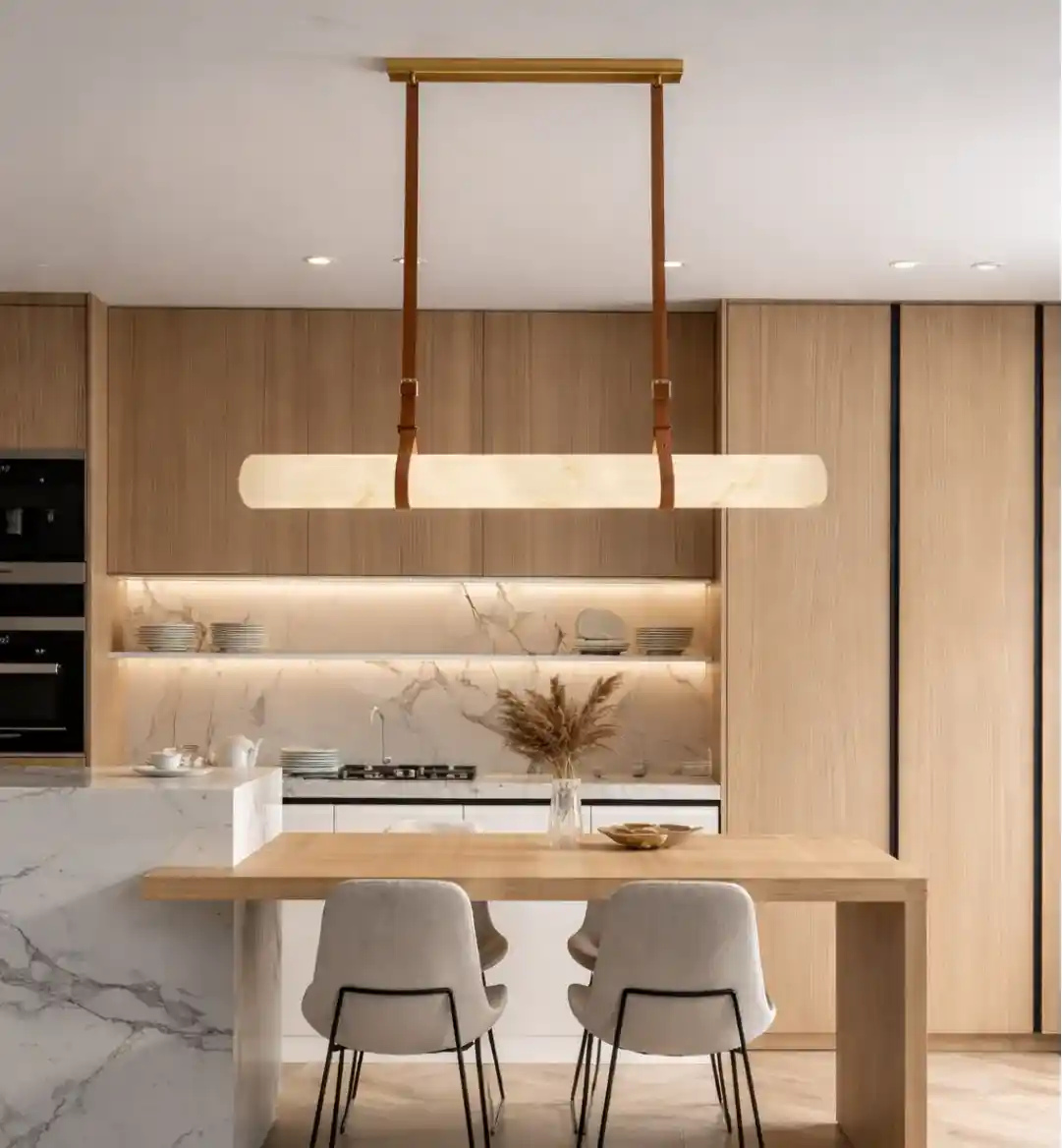
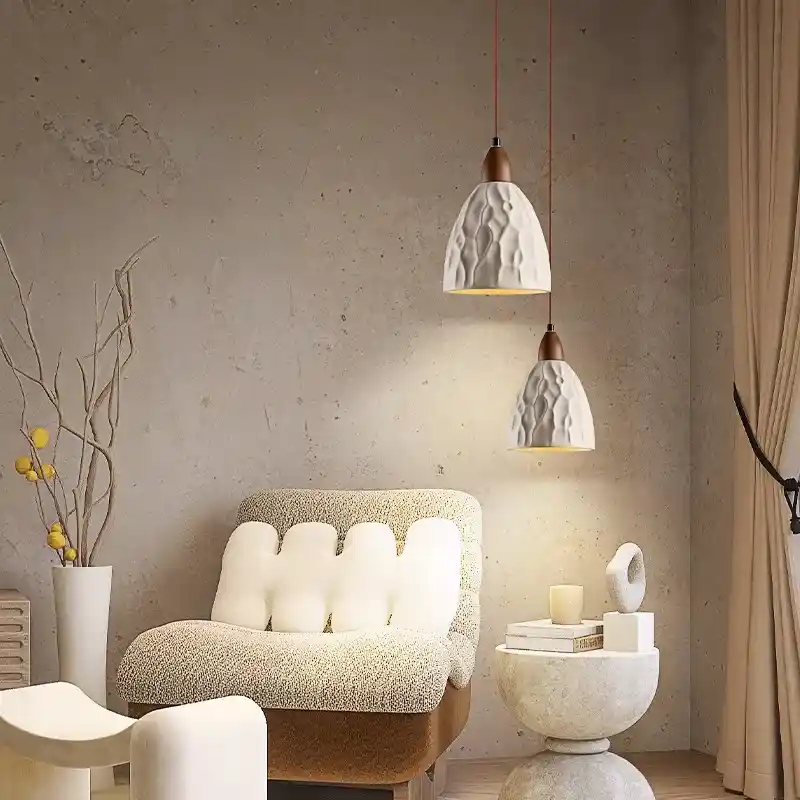
Pendant Lights – Great above dining tables, kitchen islands, and accent areas. Rattan, bamboo, wood, and fabric shades work especially well.
Wall Lamps – Choose simple wall sconces with warm light for bedrooms, hallways, and reading corners.
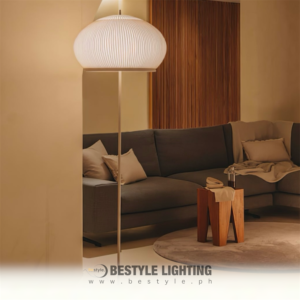
Floor Lamps – Wooden or fabric floor lamps add warmth without making the space look crowded.
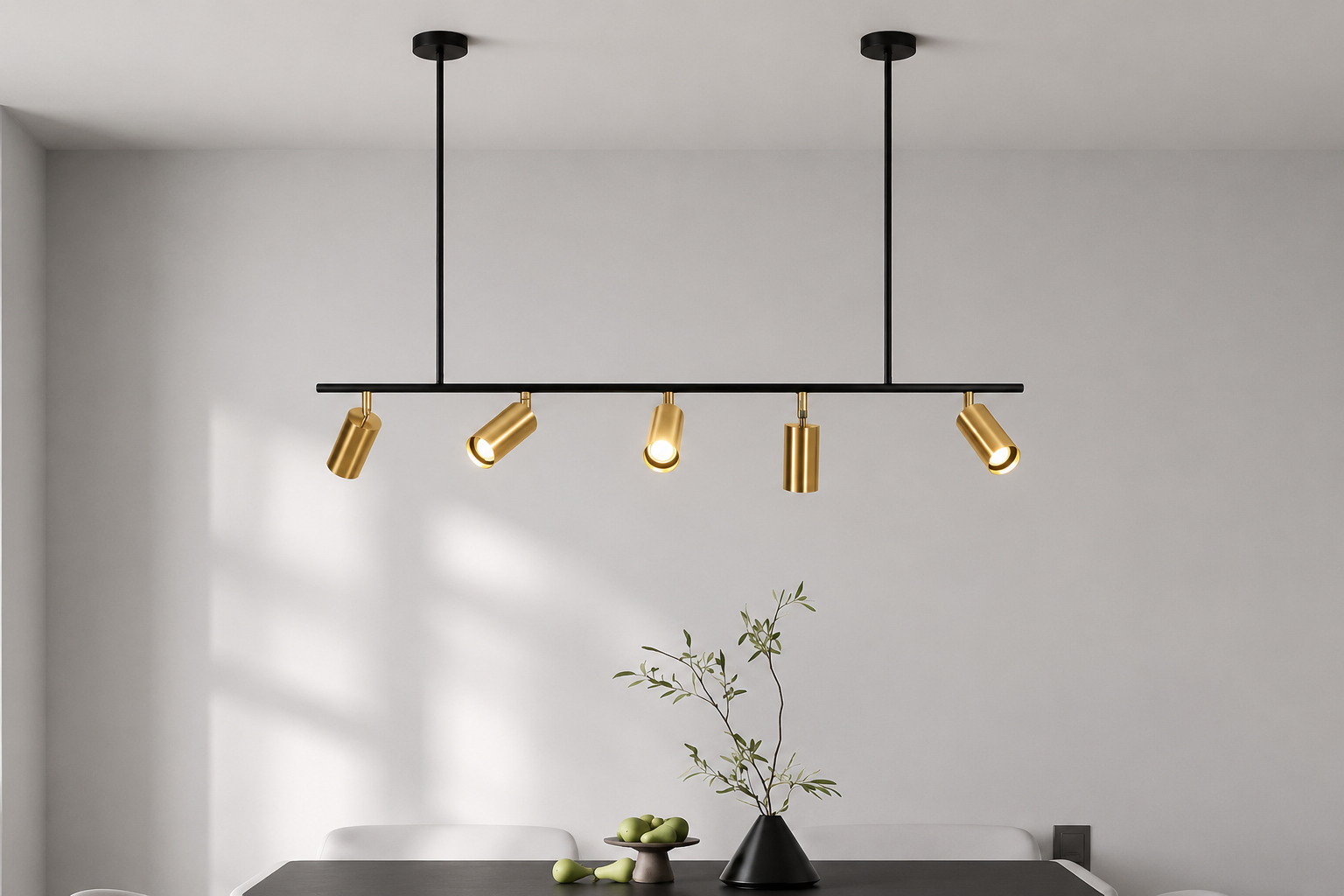
Ceiling Lights – Look for minimalist fixtures with clean lines and understated finishes.
4. Choosing the Right Color Temperature
For Japandi interiors, 2700K–3000K warm white is generally ideal. It gives the room a cozy, relaxed appearance while complementing wood and other natural materials.
5. Natural Materials That Work Well
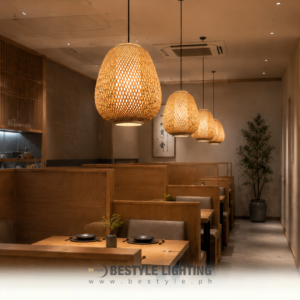
Rattan & Bamboo
Perfect for adding texture while keeping the natural Japandi aesthetic.
Wood
Pairs naturally with neutral walls and furniture.
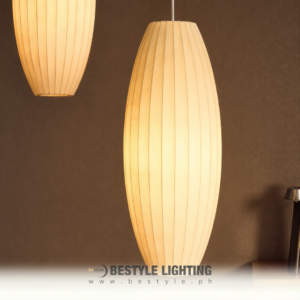
Fabric & Paper Shades
Create a soft, diffused glow that’s ideal for bedrooms and living areas.
6. How to Layer Lighting in a Japandi Home
Instead of relying on one bright ceiling light, combine:
Ambient lighting → main illumination
Task lighting → reading, working, cooking
Accent lighting → highlights plants, artwork, or architectural details
This creates the soft and balanced atmosphere that Japandi interiors are known for.
7. Tips for Choosing Japandi Lighting
- Choose warm white light.
- Prioritize natural materials.
- Avoid overly decorative fixtures.
- Use different light sources throughout the room.
- Match the fixture’s scale to the space.
- Let the lighting complement the furniture rather than dominate it.